1. 🎟️ What Changed?
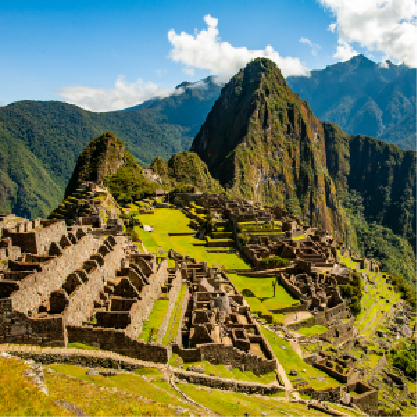
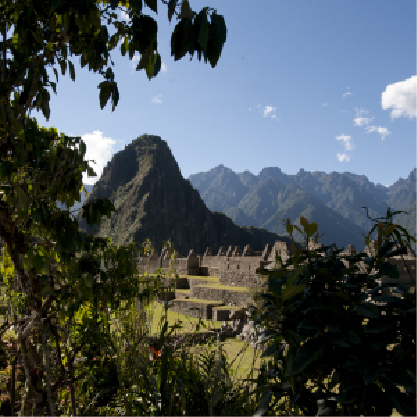
Since August 1, 2025, a new policy has allowed the daily sale of 1,000 physical tickets for Machu Picchu, available directly in Aguas Calientes. This initiative was designed to give last-minute travelers and those without reliable internet access the opportunity to secure entry to the site. However, the decision has generated mixed reactions among local stakeholders.
2. 🗂️ Concerns About Bureaucracy
The Cusco Chamber of Commerce has voiced criticism, arguing that reintroducing physical ticket sales creates unnecessary bureaucracy. Unlike the digital system, which streamlined access and reduced paperwork, physical sales require additional staff, logistics, and administrative procedures. Critics fear this may slow down efficiency and complicate management at Peru’s most visited heritage site.
3. 💰 Economic Costs for Businesses
Tour operators, hotels, and transport services rely on predictable booking patterns. The uncertainty created by physical ticket sales makes planning more complex and increases operational costs. Businesses in Cusco and the Sacred Valley worry that the measure could affect their ability to organize tours efficiently and deliver a reliable experience to international visitors.
4. 👥 Mixed Traveler Reactions
Independent travelers see benefits in the system, especially those who decide to visit spontaneously or lack internet access. For them, being able to purchase tickets on-site brings flexibility. On the other hand, concerns remain about long queues, potential ticket scalping, and uneven distribution that could disadvantage organized groups or travelers with pre-booked itineraries.
5. ⚖️ Balancing Access and Efficiency
The debate reflects the tension between inclusivity and efficiency. Authorities must find a balance between giving all travelers the chance to experience Machu Picchu and maintaining a streamlined, transparent process. Experts suggest that while limited physical sales may serve as a safety net, digital systems should remain the backbone of entry management.
🎯 Conclusion
The return of physical ticket sales in Aguas Calientes has reignited discussions about how Peru should manage access to Machu Picchu. While the move increases inclusivity, it also raises concerns about bureaucracy, costs, and efficiency. For travelers, it may bring flexibility, but for local businesses, it poses new challenges. The future of Machu Picchu ticketing will depend on how well Peru balances accessibility with sustainability in managing one of the world’s most iconic heritage sites.


 +51 923 672 318
 cuscopanoramicexpeditions@gmail.com