1. ⏳ A Growing Crisis
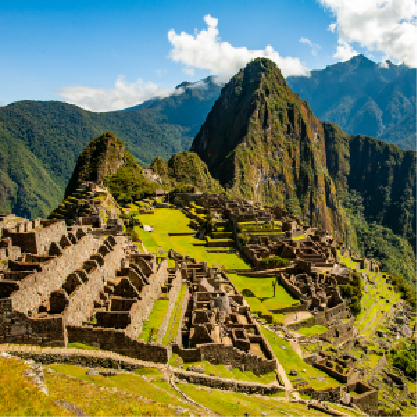
In July 2025, the usually vibrant town of Aguas Calientes turned into the epicenter of frustration as thousands of tourists queued for hours—and in some cases even overnight—trying to secure Machu Picchu tickets. The system of selling 1,000 physical tickets daily quickly collapsed under overwhelming demand, sparking chaos and confusion.
2. 😟 Tourists Left in Limbo
For international travelers, the scene was devastating. Many had carefully planned train rides, hotels, and guided tours months in advance, only to find themselves stranded without tickets. Reports described visitors arriving before dawn, waiting all day, and sometimes sleeping in line just to ensure access the following morning.
3. 🏛️ Local Authorities Speak Out
The mayor of Aguas Calientes publicly blamed Peru’s Ministry of Culture, arguing that the government failed to implement an efficient ticketing system. Local leaders claimed the policy created unnecessary stress for visitors and residents, as overcrowding at ticket offices disrupted community life and strained local resources.
4. 🌍 Impact on Peru’s Image
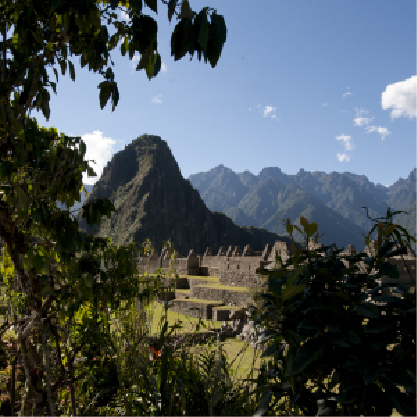
Videos and photos of the long lines quickly spread across social media, painting a negative image of Peru’s tourism management. With Machu Picchu as the country’s flagship destination, the risk is clear: logistical failures not only frustrate current visitors but may also deter future ones, impacting one of Peru’s most important economic sectors.
5. 🔄 Calls for Reform
Tour operators, local businesses, and community representatives are urging the Ministry of Culture to modernize the system. Suggestions include strengthening online sales platforms, ensuring fairer quotas for in-person purchases, and implementing policies that reduce overcrowding while maintaining equitable access for both locals and international tourists.
🎯 Conclusion
The July 2025 ticketing chaos highlights a critical lesson: even world wonders require efficient management. Without reform, the image of exhausted travelers camping outside ticket offices risks overshadowing the magic of Machu Picchu itself. For Peru, the challenge is to balance accessibility with organization—ensuring that visitors experience wonder, not waiting lines.


 +51 923 672 318
 cuscopanoramicexpeditions@gmail.com