1. 💸 A Sudden Spike in Costs
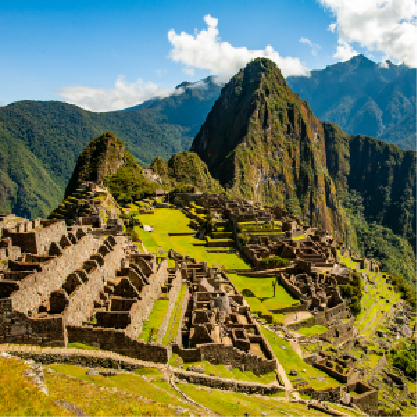
In August 2025, reports confirmed that many hotels and restaurants in Machu Picchu Pueblo (Aguas Calientes) had doubled their prices. What used to be a convenient stop for travelers heading to the Inca citadel quickly became an unaffordable option, straining the budgets of backpackers and even mid-range travelers.
2. 🍽️ Pressure on Travelers’ Budgets
Accommodation and dining, essential parts of any trip, suddenly became disproportionately expensive. Social media and travel forums were filled with complaints describing the town as overpriced and exploitative. Even simple meals and basic hotel rooms were reported at twice the usual cost, adding extra pressure to visitors who already spend heavily on trains, entry tickets, and guided tours.
3. 🚶 The Shift Toward Alternatives
Faced with inflated costs, many tourists are choosing to bypass Machu Picchu Pueblo altogether. Nearby Santa Teresa—with its hot springs and welcoming lodges—has gained popularity, while others prefer modest guesthouses near the Hidroeléctrica station. Though these alternatives require more travel time, they provide authenticity and affordability that many now see as preferable.
4. 🌍 Consequences for Local Tourism
This shift has serious implications for Machu Picchu Pueblo’s economy. While some businesses profit in the short term, the long-term risk lies in damaging the town’s reputation. Visitors who feel overcharged are less likely to recommend the area or return, spreading the perception that Peru’s most famous gateway has become a costly trap rather than a welcoming hub.
5. ⚖️ The Debate Over Fair Pricing
Local stakeholders remain divided. Business owners argue the price hikes reflect rising costs and seasonal demand, but critics—including tourism experts—warn that the lack of regulation fosters abusive pricing. Without oversight, the growing gap between traveler expectations and reality may erode confidence in Machu Picchu Pueblo as the ideal stop before the citadel.
🎯 Conclusion
Machu Picchu Pueblo’s reputation is at risk. With inflated prices pushing tourists toward Santa Teresa and Hidroeléctrica, the town could lose its central role in Peru’s most iconic travel experience. For long-term sustainability, balancing fair pricing with economic opportunity is crucial. Otherwise, the very community built to host travelers may end up driving them away.


 +51 923 672 318
 cuscopanoramicexpeditions@gmail.com