1. 🚨 A “Catastrophic” Declaration
In August 2025, the Cusco Chamber of Tourism issued a dramatic statement, officially labeling the situation at Machu Picchu as “catastrophic.” The declaration came after weeks of mounting complaints about disorganization, stranded tourists in Aguas Calientes, and inefficiencies in the management of Peru’s most iconic heritage site.
2. 🛑 Tourists Stranded in Aguas Calientes
Visitors arriving in Aguas Calientes with confirmed travel plans found themselves unable to access Machu Picchu. Reports described tourists waiting for days in uncertainty—some cutting trips short, others left without fulfilling their long-awaited journey. The chaos left hotels, train stations, and tour operators overwhelmed, turning excitement into frustration.
3. 🎟️ The Issue with Physical Ticket Sales
Although 1,000 physical tickets are allocated for daily in-person sales, many of them remain unsold due to poor communication and mismanagement. This so-called “retention effect” creates an artificial shortage: tickets exist, yet visitors are unable to secure them. The mismatch between supply and access has fueled anger among both travelers and local businesses.
4. 💬 Voices from the Industry
Tourism operators and hospitality providers argue that the crisis goes beyond inconvenience. The inability to guarantee entry has led to cancellations, revenue loss, and damaged trust. Industry leaders claim the Ministry of Culture has failed to implement a modern, transparent, and efficient system for managing one of the world’s most visited sites.
5. 🌍 Impact on Peru’s Image
The reputational risk is profound. Photos and videos of stranded tourists and chaotic lines have spread quickly across social media, harming Peru’s image as a reliable travel destination. International agencies and forums are already warning potential visitors, raising concerns about future bookings and long-term economic effects.
6. 🔄 Calls for Immediate Reform
The Cusco Chamber of Tourism has called for urgent reforms, including stronger online platforms, clearer distribution of physical tickets, and better communication with local communities and businesses. Without immediate action, they warn, the “catastrophic” situation could escalate into a lasting crisis for both Machu Picchu and Peru’s broader tourism industry.
🎯 Conclusion
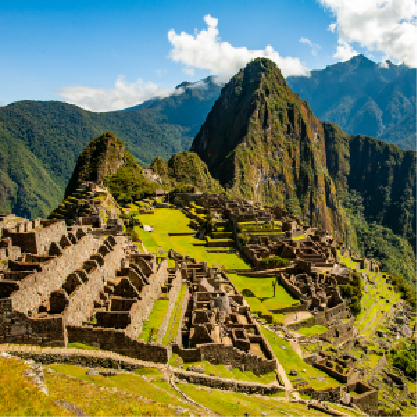
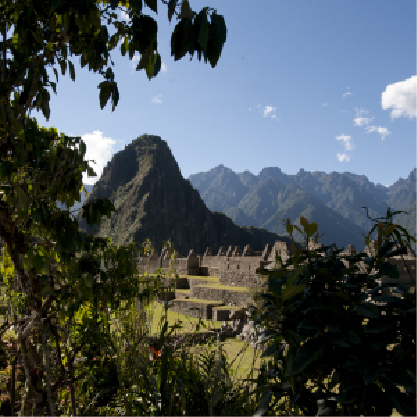
The Chamber’s use of the term “catastrophic” is not just a warning but a wake-up call. Machu Picchu’s global reputation is at stake. Unless Peru modernizes its ticketing system and restores visitor confidence, the chaos in Aguas Calientes risks overshadowing the wonder of the Inca citadel itself—turning a dream destination into a cautionary tale.


 +51 923 672 318
 cuscopanoramicexpeditions@gmail.com