1. 🌄 A Vision for Diversified Tourism
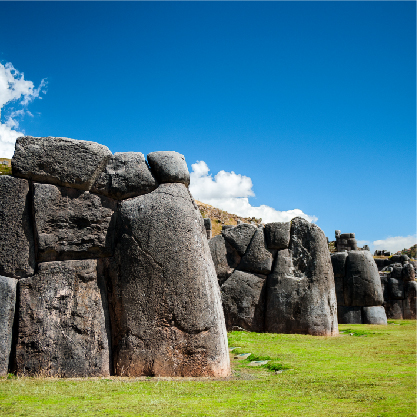
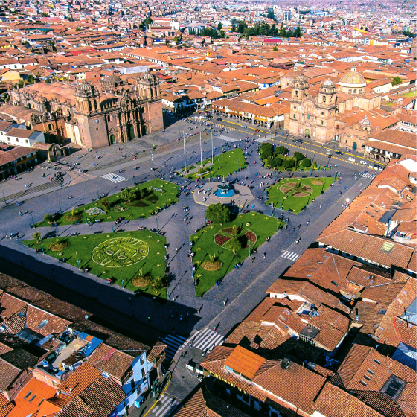
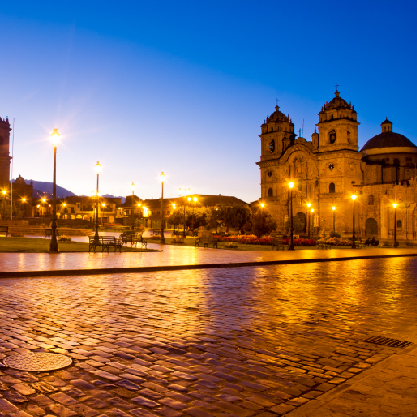
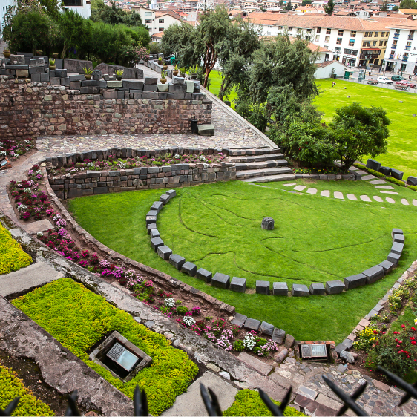
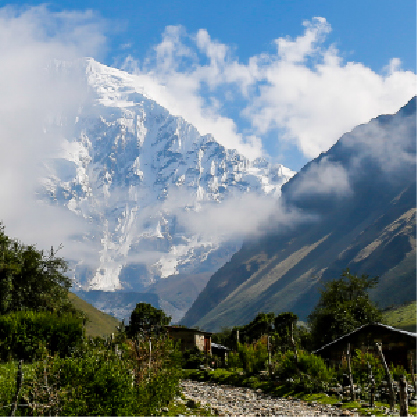
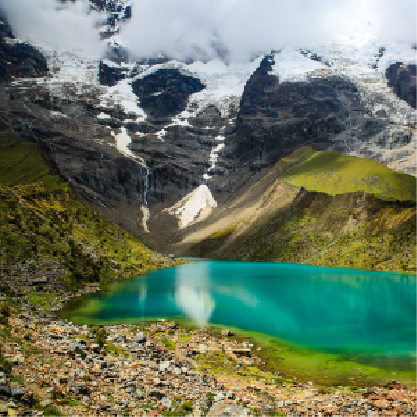
Although first announced in April 2024, Peru’s government continues to highlight the Cusco–Machu Picchu–Choquequirao tourist circuit as a cornerstone of its long-term tourism strategy. The initiative aims to diversify visitor flows beyond Machu Picchu alone, while extending the average length of stay in the Cusco region. By integrating multiple destinations, officials hope to encourage travelers to explore a more comprehensive narrative of the Inca legacy.
2. 🏛️ Connecting Icons of Inca Civilization
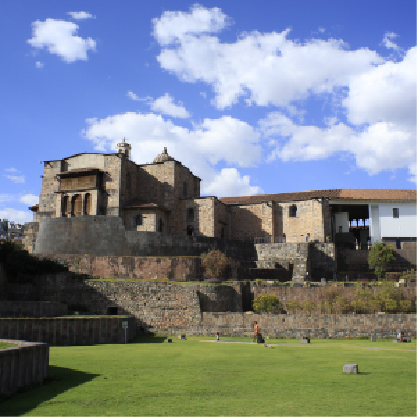
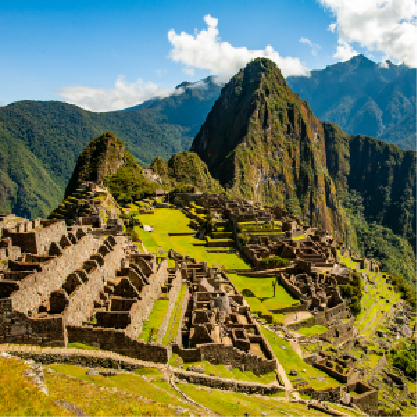
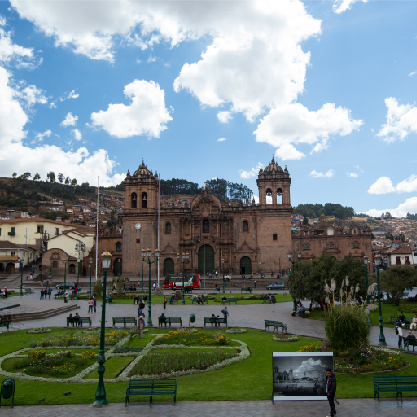
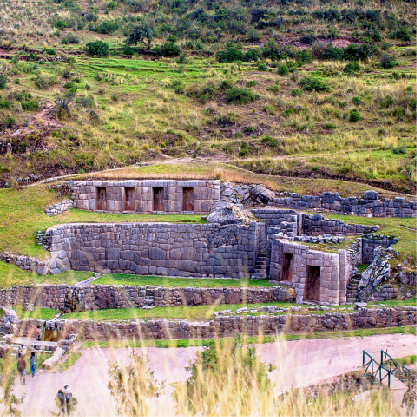
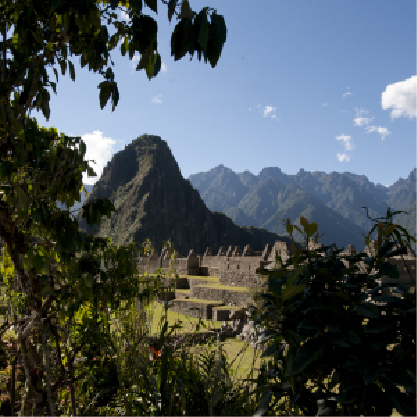
The circuit links Cusco—the historical capital of the Inca Empire—with Machu Picchu, the world-renowned citadel, and Choquequirao, often described as its “sister city.” While Machu Picchu receives millions of visitors annually, Choquequirao remains relatively isolated due to its challenging access. By promoting the three destinations as a single circuit, the government intends to balance visitor traffic, protect heritage sites from overcrowding, and elevate Choquequirao’s visibility on the international stage.
3. 🚡 The 2025 Cable Car Project
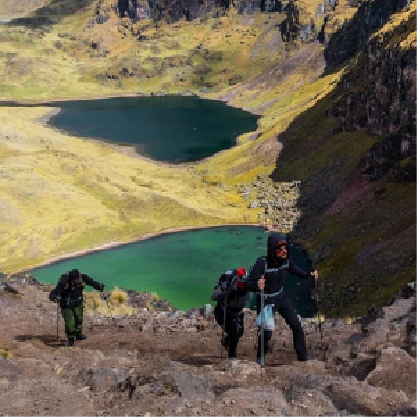
A centerpiece of the initiative is the proposed construction of a cable car system to Choquequirao, planned for 2025. Currently, reaching the site requires a strenuous multi-day trek, limiting access primarily to adventurous travelers. The cable car promises to reduce travel time dramatically—from two days on foot to about 30 minutes—potentially transforming Choquequirao into one of the most accessible yet still spectacular archaeological experiences in South America. Supporters argue that the project could spark economic growth in Apurímac and Cusco, regions that host the route.
4. 💼 Economic and Cultural Benefits
By extending the circuit, the government seeks to increase average tourist stays from the current 2–3 nights in Cusco to 5–7 nights. Longer visits would benefit hotels, restaurants, guides, artisans, and transport providers, while also spreading tourism revenues to communities often bypassed by Machu Picchu-focused itineraries. In cultural terms, showcasing Choquequirao alongside Machu Picchu helps to tell a fuller story of Inca architecture, engineering, and spiritual life.
5. 🌍 Balancing Development with Sustainability
The project has also raised debates about sustainability. Experts caution that while the cable car could boost accessibility, it must be carefully managed to avoid excessive commercialization and environmental strain. Choquequirao’s charm lies in its remoteness and sense of discovery; losing this character could diminish the very experience that makes it unique. Authorities are being urged to adopt strict visitor caps and conservation measures if the project proceeds.
🎯 Conclusion
The Cusco–Machu Picchu–Choquequirao circuit represents both an opportunity and a challenge for Peru. It has the potential to redefine the region’s tourism landscape, offering travelers a more balanced, immersive experience of Inca heritage. Yet its success will depend on striking the right balance: improving accessibility while safeguarding authenticity. If managed responsibly, the initiative could ensure that both Machu Picchu and Choquequirao remain awe-inspiring icons for generations to come.


 +51 923 672 318
 cuscopanoramicexpeditions@gmail.com