1. 🌽 Rediscovering Andean Flavors
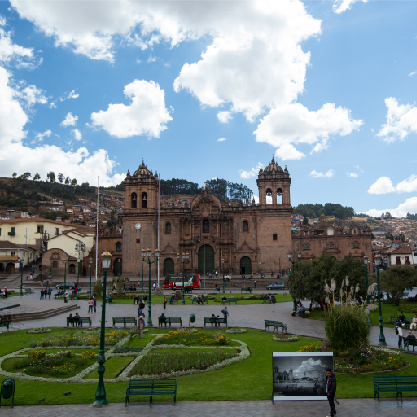
The culinary identity of Cusco is deeply rooted in its ancestral traditions. Long before modern fusion cuisine, Andean communities mastered the art of preserving and transforming high-altitude ingredients like quinoa, chuño, and native potatoes. Today, local chefs are reviving these ancient techniques to offer visitors a true taste of the Andes.
2. 🏔️ Cooking with the Quechua and Aymara Communities
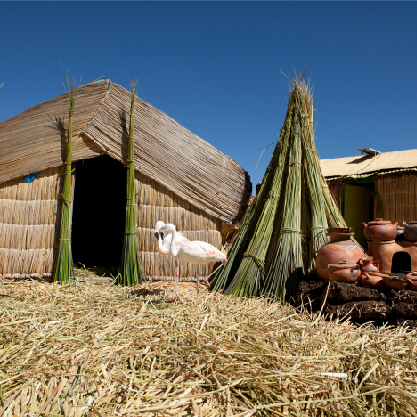
Travelers looking for more than a typical restaurant meal can now join cooking workshops in traditional villages. In these hands-on experiences, visitors learn to prepare Andean dishes side by side with Quechua or Aymara families—using clay stoves, natural herbs, and seasonal produce grown just steps away from the kitchen.
3. 🥔 Hidden Treasures of Andean Cuisine
Beyond ceviche and lomo saltado, Cusco offers an entire world of lesser-known delicacies. Discover the earthy flavors of tarwi stew, the delicate sweetness of oca, and the traditional pachamanca—an ancient feast cooked underground with hot stones. Each bite is a bridge between past and present.
4. 🧺 Exploring Local Markets
Markets like San Pedro and San Blas are vibrant windows into Cusco’s culinary soul. Walking among colorful stalls, travelers find more than food—they encounter centuries-old traditions, friendly exchanges, and the stories behind each ingredient. These markets are living museums where gastronomy meets daily life.
5. 🌱 From Farm to Table: Sustainable and Local
Many travel agencies in Cusco now integrate zero-kilometer gastronomy into their itineraries. By partnering with small farmers and local cooks, they ensure that every meal supports sustainability and community well-being. Each dish becomes part of a larger story—one that celebrates biodiversity and cultural respect.
6. 🍷 A Cultural Experience Beyond Taste
Andean gastronomy is not only about flavors—it’s about connection. Through shared meals, cooking classes, and community dining, travelers engage with living traditions and ancestral wisdom. These culinary journeys invite visitors to slow down, listen, and savor the deeper meaning of food in the Andes.
🎯 Conclusion
In Cusco, food is heritage. It’s a way to preserve identity, strengthen communities, and welcome travelers into a shared experience of culture and flavor. Beyond ceviche, Cusco’s ancestral gastronomy offers a journey for the senses—one that nourishes both the palate and the spirit.


 +51 923 672 318
 cuscopanoramicexpeditions@gmail.com