1. 🕯️ What Are These Celebrations About?
In Cusco, All Saints’ Day (November 1st) and the Day of the Dead (November 2nd) represent a deep connection between families and their ancestors. These days honor loved ones who have passed away through rituals, offerings, and symbolic foods that reflect a rich blend of pre-Hispanic Andean beliefs and Catholic customs.
2. 🥖 Traditional Foods: “Tanta Wawa” & “Lechón Cusqueño”
One of the most iconic parts of the celebration is the preparation of tanta wawas — sweet breads shaped like babies, angels, or ladders — symbolizing the passage of the soul to the afterlife. Families also prepare lechón cusqueño (roasted pork) and tamales, which are shared in large family gatherings.
3. 🪔 Cemetery Rituals and Family Traditions
On November 2nd, families visit cemeteries across Cusco to clean and decorate graves with flowers, candles, and favorite foods of the deceased. Music, prayers, and offerings accompany the visit, creating an atmosphere that is both solemn and celebratory. Some communities also perform ancestral rites honoring Pachamama and the spirits.
4. 🎭 Andean Symbolism and Ancestral Roots
These celebrations preserve important Andean meanings: death is not seen as an end, but as a transition. The rituals express gratitude, protection, and the belief that ancestors remain spiritually connected to their families. Visitors will see symbolic elements such as miniature ladders, representing the soul’s ascent to the spiritual world.
5. 🧭 Tips for Visitors
To respectfully join these celebrations:
— Visit local markets like San Pedro to see traditional bread-making.
— If you go to a cemetery, follow local customs and keep a respectful distance.
— Try traditional foods such as tanta wawa and pan caballo.
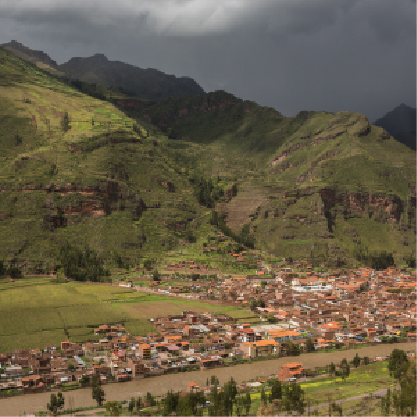
— Consider visiting nearby communities like Pisac or Oropesa for a more traditional experience.
— Always ask before taking photos of people or rituals.
6. 🎉 Why This Celebration Is Special in Cusco
Cusco’s blend of Inca traditions and Catholic influences makes this celebration one of the most unique in Peru. For visitors, it offers an intimate look into local spirituality and family customs — a cultural expression filled with meaning, flavor, and symbolism.
🎯 Conclusion
All Saints’ Day and the Day of the Dead in Cusco are more than holidays; they are living traditions that unite families, honor ancestors, and celebrate cultural identity. For travelers, it is a rare opportunity to witness authentic Andean rituals in a respectful and enriching way.


 +51 923 672 318
 cuscopanoramicexpeditions@gmail.com