1. 🌱 A Growing Shift Toward Sustainable Travel
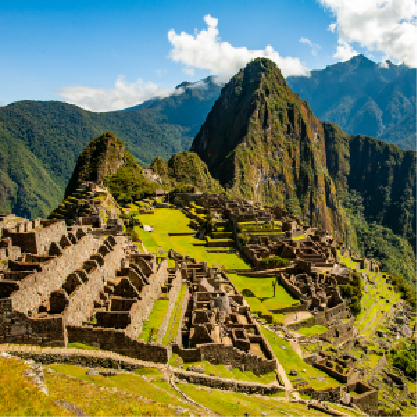
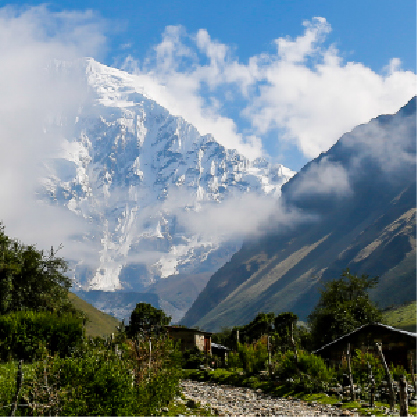
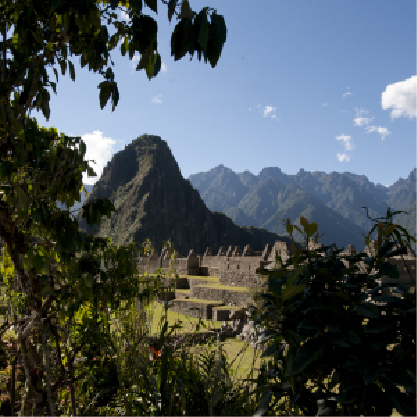
With Machu Picchu receiving large numbers of visitors, travelers are increasingly exploring alternative destinations that offer authentic cultural and natural experiences. The Sacred Valley is emerging as a sustainable tourism hub, promoting responsible travel practices and supporting local communities.
2. 🏔️ Lesser-Known Archaeological Sites
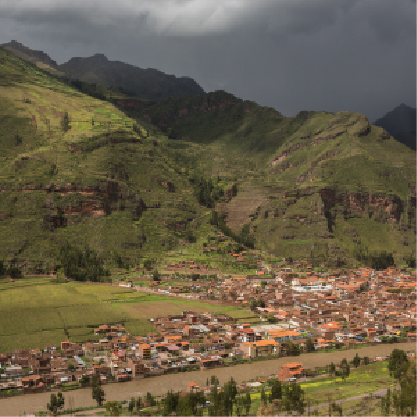
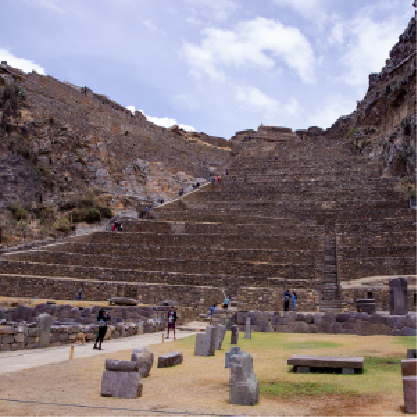
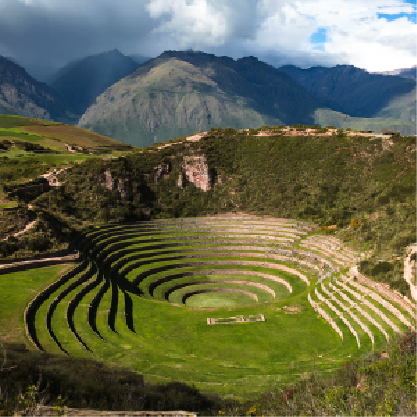
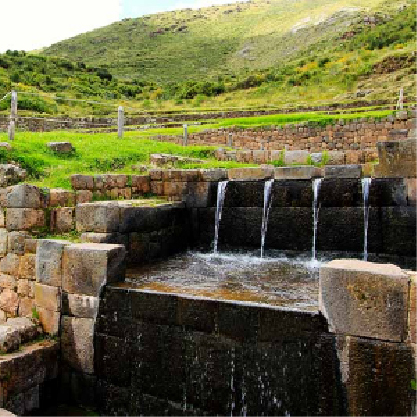
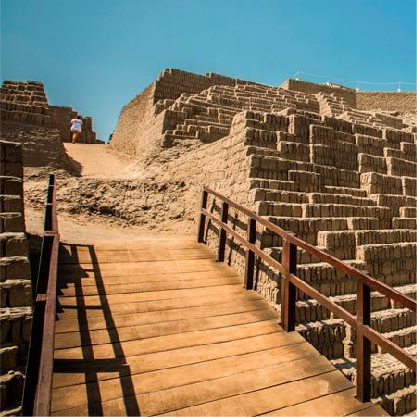
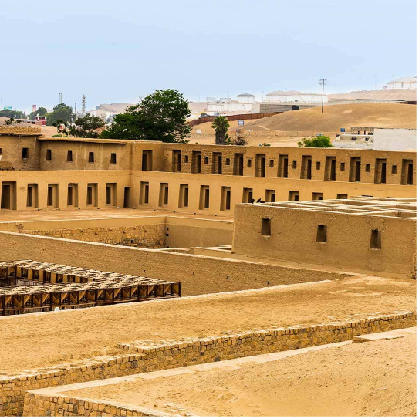
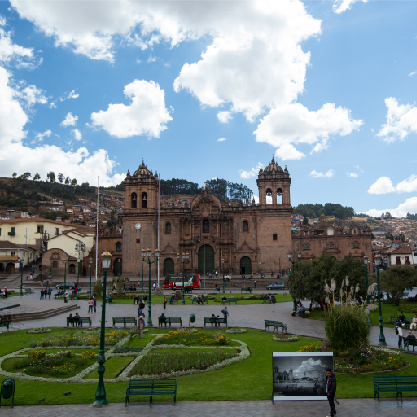
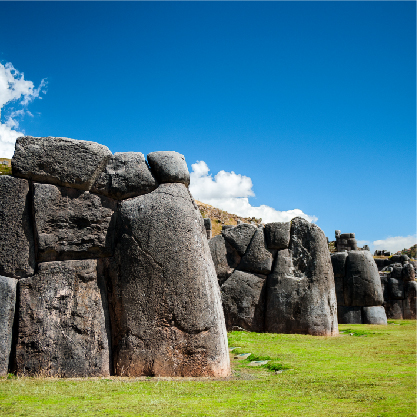
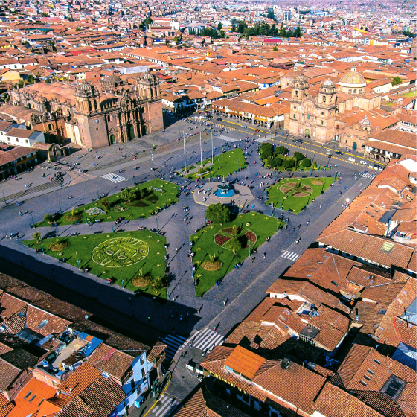
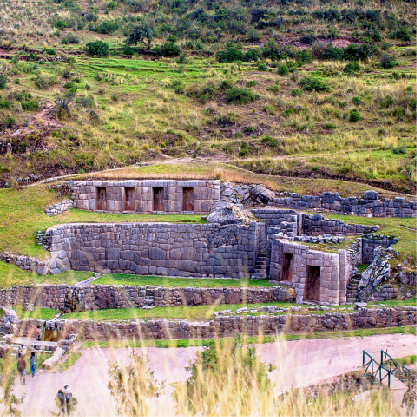
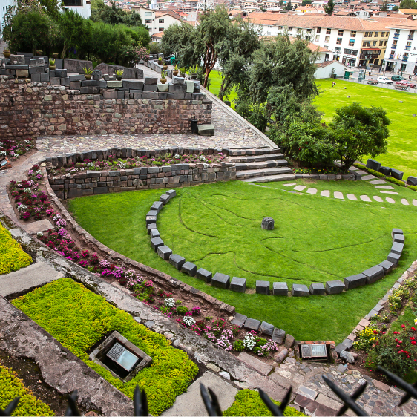
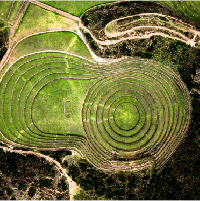
Places like Moray, Pisac, Ollantaytambo, and Chinchero offer incredible Inca history without the heavy crowds. These sites allow visitors to explore ancient engineering, agricultural terraces, and living Andean traditions while reducing pressure on Machu Picchu.
3. 👩🌾 Community-Based Tourism Experiences
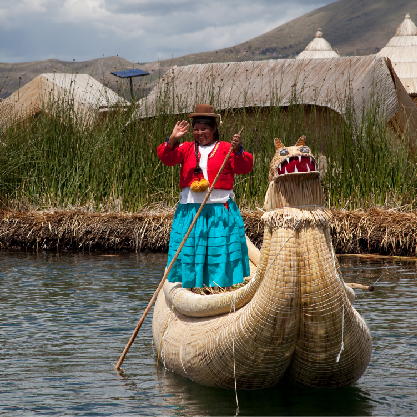
Many indigenous communities in the Sacred Valley now offer immersive tourism programs. Travelers can participate in traditional weaving, agriculture, Andean ceremonies, and local food workshops. These programs support families directly and help preserve ancestral knowledge.
4. 🚴 Adventure and Eco-Friendly Activities
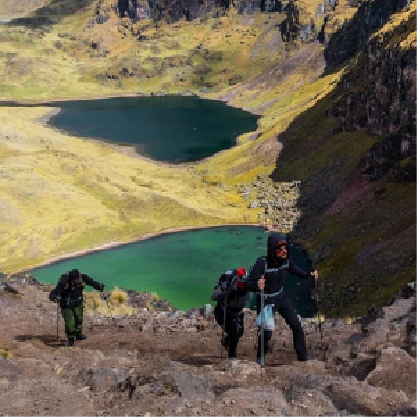
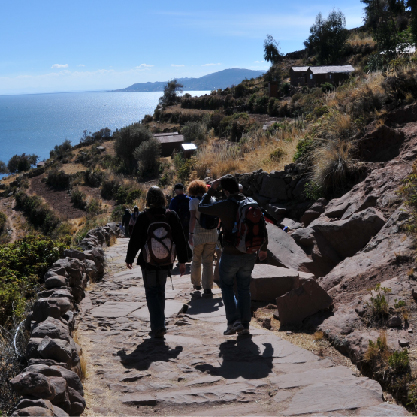
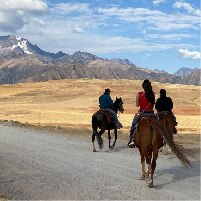
The Sacred Valley is ideal for eco-tourism, offering activities such as biking, hiking, kayaking, and horseback riding. Popular routes like the Maras–Moray trail or the Huaypo Lagoon area allow visitors to enjoy nature responsibly while minimizing environmental impact.
5. 🌍 Why Sustainable Alternatives Matter
By exploring the Sacred Valley beyond Machu Picchu, tourists help distribute economic benefits more evenly across the region. This approach reduces overcrowding, protects fragile ecosystems, and promotes long-term development for local communities.
🎯 Conclusion
The Sacred Valley is much more than a gateway to Machu Picchu. Its landscapes, archaeological sites, and community programs create a sustainable and meaningful travel experience—one that respects the environment and supports the cultural legacy of the Andes.


 +51 923 672 318
 cuscopanoramicexpeditions@gmail.com