1. 🔄 Rapid Response and Constant Monitoring
Travel agencies in Cusco closely monitor news, government announcements, and road conditions to react quickly when a crisis begins. Early alerts allow them to adjust itineraries, coordinate with partners, and keep travelers informed before disruptions escalate.
2. 🚐 Flexible Itinerary Adjustments
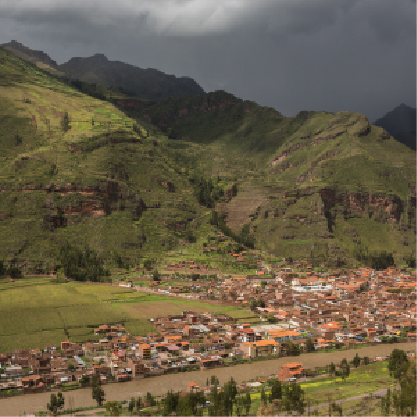
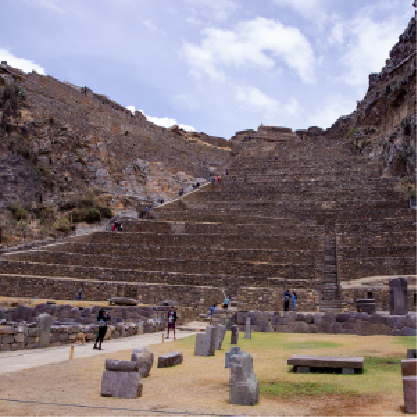
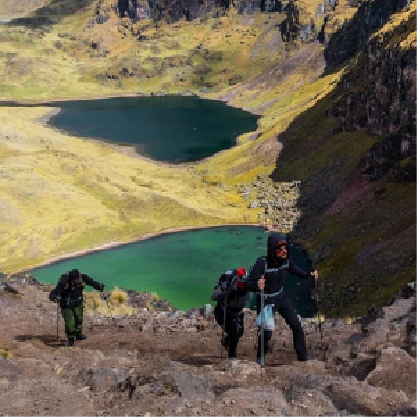
When strikes, weather closures, or transport issues affect access to key sites like Machu Picchu, agencies adapt itineraries in real time. They often reroute travelers to alternative attractions such as the Sacred Valley, Humantay Lake, or local cultural experiences to ensure the trip continues smoothly.
3. 📞 Strong Communication With Travelers
Clear and frequent communication is essential during crises. Agencies use WhatsApp, phone calls, and email to provide updates, offer reassurance, and explain changes. Maintaining transparency helps travelers feel supported and reduces anxiety during uncertain situations.
4. 🤝 Collaboration With Local Authorities and Operators
Agencies work closely with transport companies, hotels, and tourism authorities to coordinate solutions. This collaboration helps secure alternative routes, negotiate rescheduling options, and guarantee traveler safety during unexpected events.
5. 💼 Prioritizing Safety and Traveler Rights
During crises, the focus shifts to traveler protection. Agencies ensure safe transportation, provide emergency instructions, and advocate for fair solutions such as rescheduling, refunds, or alternative services when necessary.
🎯 Conclusion
Unexpected tourism crises are inevitable in a dynamic destination like Cusco, but well-prepared agencies minimize disruption through flexibility, communication, and strong coordination. Their ability to adapt quickly ensures that travelers continue to enjoy meaningful and safe experiences, even in challenging moments.


 +51 923 672 318
 cuscopanoramicexpeditions@gmail.com