1. 📈 Continued Growth in Tourist Arrivals
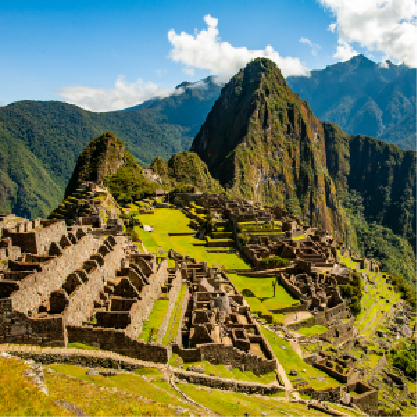
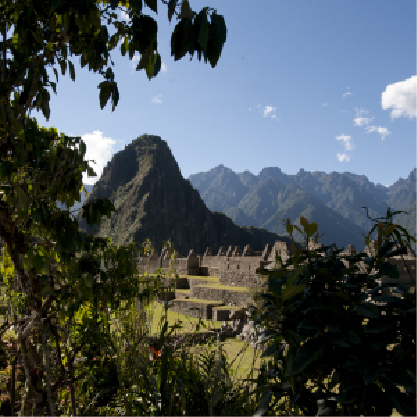
Early projections indicate that Cusco will receive even more visitors in 2026 as global travel stabilizes. Higher demand for Machu Picchu tickets and alternative tours is expected, encouraging travelers to plan earlier than usual.
2. 🛣️ Infrastructure Improvements and New Access Routes
Authorities are working on upgrading transportation routes, visitor facilities, and digital ticketing systems. These enhancements aim to reduce congestion, improve accessibility, and streamline travel logistics for both domestic and international visitors.
3. 🏞️ Focus on Sustainable and Alternative Tourism
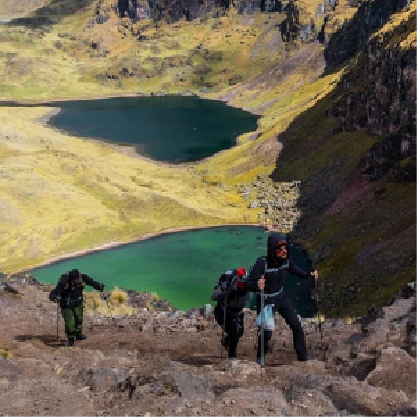
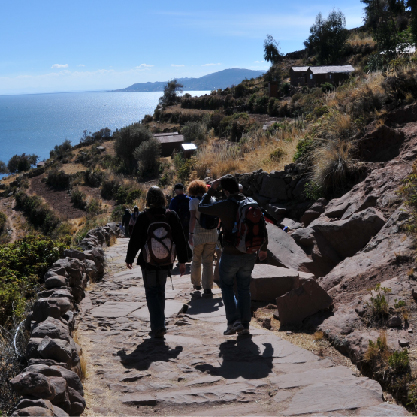
With increased pressure on Machu Picchu, 2026 will see a stronger push toward promoting lesser-known destinations such as Choquequirao, Huchuy Qosqo, Palcoyo, and the Vilcabamba region. These alternatives will play a larger role in distributing tourism more evenly across Cusco.
4. 📲 Digitization of Services and Smarter Travel Planning
Travelers can expect more digital tools for booking tickets, managing itineraries, and accessing real-time information. New platforms will simplify entry processes, reduce waiting times, and improve the overall experience at major attractions.
5. 🔐 Updated Regulations and Visitor Limits
To protect archaeological sites, authorities are evaluating new visitor limits, route restrictions, and time-block adjustments for Machu Picchu. These regulations aim to balance preservation with tourism growth, ensuring a sustainable future for the sanctuary.
🎯 Conclusion
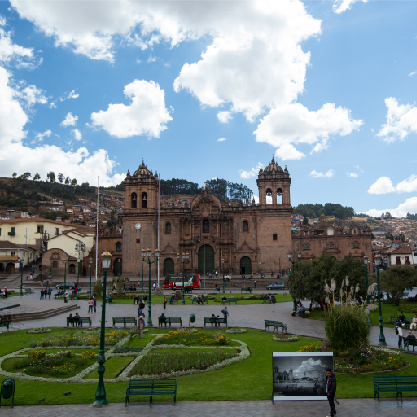
The year 2026 is shaping up to be pivotal for tourism in Cusco and Machu Picchu. With improved infrastructure, new sustainable travel options, and enhanced digital services, visitors can expect a more organized and enriching experience—while also contributing to the preservation of Peru’s most iconic destinations.


 +51 923 672 318
 cuscopanoramicexpeditions@gmail.com