Introduction: Choquequirao in 2027, a Destination in Transition
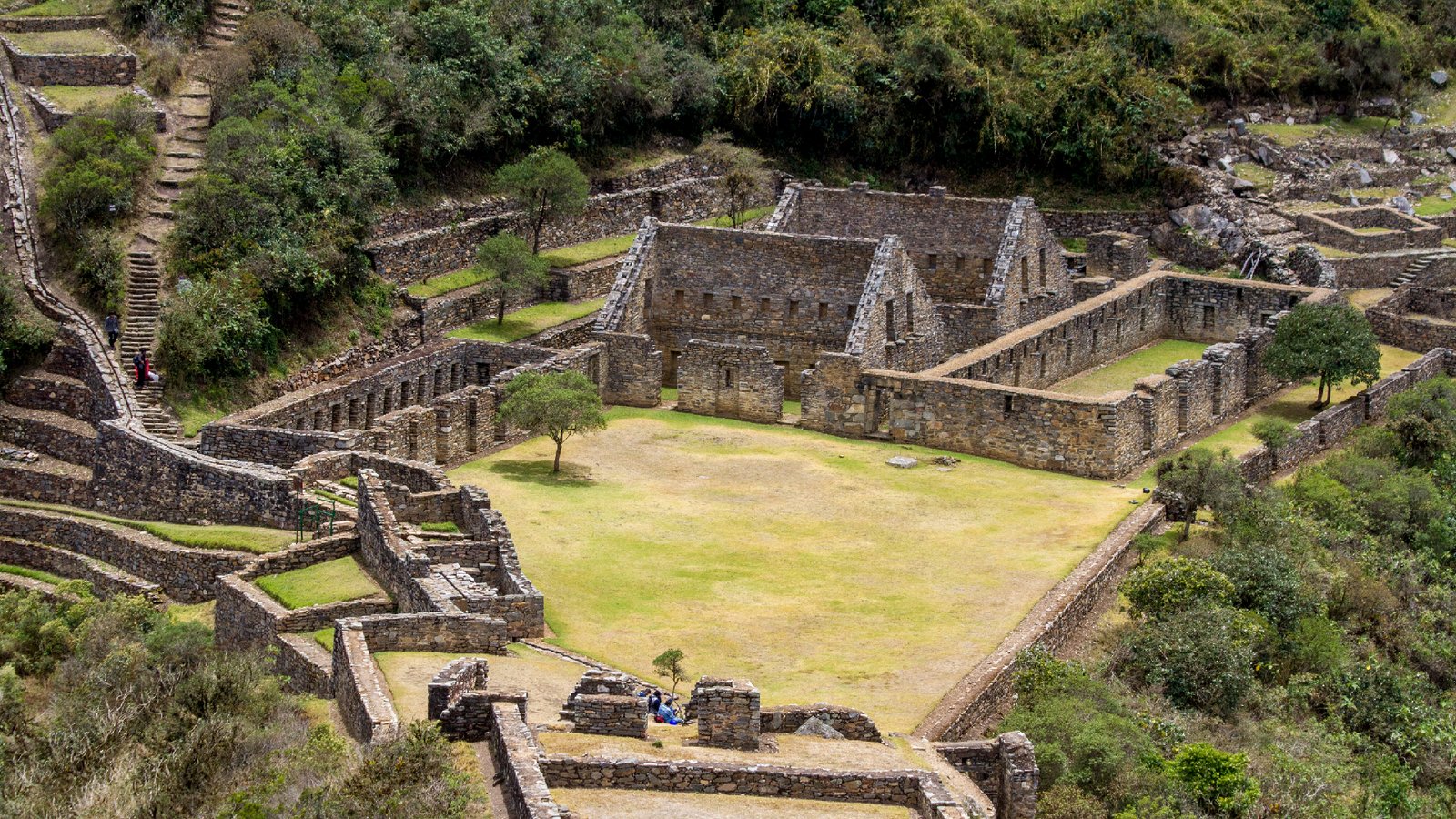
Choquequirao —often called the "sacred sister of Machu Picchu"— is one of Peru's most impressive and least-visited archaeological complexes. Perched at 3,050 meters (10,000 feet) above sea level, it overlooks the Apurímac River canyon and has traditionally been reachable only via a demanding 4- to 5-day trek. That's about to change—but not as fast as many travelers assume.
The Peruvian government has been pushing an ambitious cable car project that would connect the valley to the archaeological site, reducing access to minutes. However, and this is critical for planning: the cable car will not be operational in 2027. Construction and studies are advancing, but official timelines point to a later launch. What is changing in 2027 is the trekking route itself: a new official route is being formalized, with updated signage, checkpoint protocols, and camp regulations. In other words, 2027 is one of the last years to experience Choquequirao the traditional way—on foot, with effort, and with the ruins nearly to yourself.
📌 Key fact: Even though the cable car won't be ready in 2027, its construction is already changing the area (access roads, services, regulations). Traveling in 2027 lets you experience Choquequirao before mass tourism infrastructure transforms it forever. It's the final window for the authentic trekking experience.
The Choquequirao Cable Car: The Real Status for 2027
The Choquequirao cable car is one of Peru's most anticipated tourism infrastructure projects. Its goal is to open access to an archaeological site that, until now, could only be reached after a multi-day hike. But it's important to be realistic: despite progress in studies and concessions, there is no official confirmation that the cable car will be operating in 2027.
What does this mean for your trip? If you plan to visit Choquequirao in 2027, you must prepare to trek. There will be no shortcuts. And that, far from being a disadvantage, is an opportunity: you'll enjoy a destination that still retains its essence, without the crowds that will inevitably arrive once the cable car opens.
| Aspect | Status in 2027 | What It Means for You |
|---|---|---|
| Access | Trekking only The cable car is not operational. |
You'll walk 4–5 days round trip or join an organized expedition. |
| Route | New official route Updated signage and checkpoints. |
Follow the marked trail; verify current conditions with local operators. |
| Crowds | Low Far fewer visitors than Machu Picchu. |
Enjoy the ruins in relative tranquility, but with limited services. |
| Experience | Authentic Demanding trek, unique landscapes. |
Ideal if you seek adventure, nature, and history without crowds. |
| Future | Imminent change The cable car will come after 2027. |
2027 is one of the last chances to see it "the old way." |
Trekking Routes to Choquequirao in 2027
These are the main options for reaching Choquequirao, all on foot since the cable car won't be available:
Classic Route (4 Days)
The most popular option. Starts in Cachora (2,900 m), descends into the Apurímac canyon, and climbs to Choquequirao. High difficulty due to accumulated elevation gain. Best for travelers with good fitness.
Extended Route (5 Days)
Adds an extra night for acclimatization or deeper exploration of the archaeological complex. Recommended for photographers and history lovers who want more time at the ruins.
Route with Hot Springs
Some expeditions include a stop at the Cconoc hot springs near the Apurímac River—a way to relax sore muscles after days of demanding hiking.
Photographic Route (5–6 Days)
Designed for those who want to capture Choquequirao calmly: sunrise on the terraces, golden light over the mountains, and time for compositions without rushing.
Practical Tips for Your Choquequirao Trek in 2027
Although there aren't Machu Picchu–style crowds, organized expeditions have limited spots. Book at least 2–3 months ahead, especially in the dry season (May–September).
Spend at least 2–3 days in Cusco before starting the trek. Choquequirao sits at 3,050 m, but the descent and ascent through the Apurímac canyon is demanding. Acclimatization reduces altitude sickness risk.
The terrain is uneven, with steep slopes and rocky sections. Use trekking boots with good grip and make sure they're well fitted to avoid blisters.
Carry enough water (or purification tablets) and drink frequently. Altitude and physical effort increase fluid loss. Avoid alcohol during the trek.
UV radiation is intense in the highlands. Use high-SPF sunscreen, sunglasses, a wide-brimmed hat, and long sleeves to protect against sun and insects.
Include altitude medication (if prescribed by your doctor), pain relievers, blister bandages, and insect repellent. Don't forget your travel insurance.
Frequently Asked Questions About Choquequirao in 2027
No. Although the cable car project is underway, there is no official confirmation that it will be operational in 2027. The only way to reach Choquequirao in 2027 will be by trekking. Plan accordingly and check with local operators for current route conditions.
Costs vary by operator and expedition type (group or private). Generally, a 4-day expedition with guide, transport, meals, and basic equipment ranges from USD 400 to USD 800 per person. Private or premium options cost more. Always confirm what's included before booking.
Yes, in terms of elevation gain and physical effort, the Choquequirao trek is considered more demanding than the classic Inca Trail. The descent and subsequent ascent through the Apurímac canyon involve significant accumulated elevation gain. It requires good fitness and preparation.
The dry season (May to September) is best for trekking, with less rain and better trail conditions. However, this is also peak season, so book in advance. October and November are also viable, with fewer visitors and greener landscapes.
Expect a significant increase in visitors, along with improved infrastructure and tourism services. This will make Choquequirao more accessible, but it could also change the tranquility and authenticity it offers today. That's why many travelers consider 2027 the ideal time to visit before that transformation.
Conclusion: Choquequirao in 2027, the Adventure Before the Change
Visiting Choquequirao in 2027 is a unique opportunity. There will be no cable car, which means you'll have to earn access through effort and hiking. But in return, you'll get one of the most authentic and awe-inspiring experiences Peru has to offer: a vast archaeological complex surrounded by mountains and canyons, with very few visitors and a special energy that will be lost once mass infrastructure arrives.
If you're willing to walk, sweat, and wake up early, Choquequirao will reward you richly. And if you're planning your trip, do it soon: 2027 is one of the last windows to experience the "sister of Machu Picchu" as it is today.
📌 Ready for the adventure? At Cusco Panoramic Expeditions we organize Choquequirao expeditions with expert guides, quality equipment, and personalized attention. We design the perfect package so you can live this unique experience before the cable car changes the destination forever.